JOURNAL #18 – LATE 20TH CENTURY MORGUE

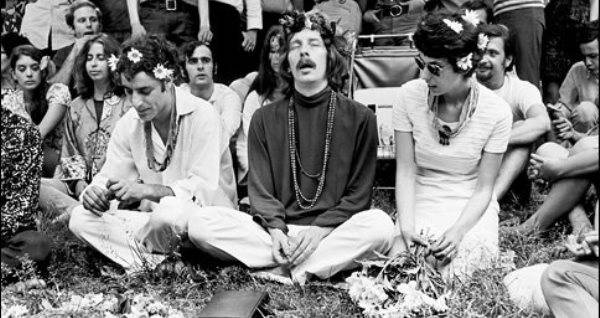
https://www.google.com/url?sa=i&rct=j&q=&esrc=s&source=images&cd=&cad=rja&uact=8&ved=2ahUKEwiypZGGy5LiAhUDbawKHcltBqIQjhx6BAgBEAM&url=https%3A%2F%2Fallthatsinteresting.com%2Fa-brief-history-of-hippies&psig=AOvVaw3rAs_nCCWpclXVOxGA9AYN&ust=1557633434454698 This picture shows the hippy styles in the 1960s that show sensuous and youthful styles. The style had a comfortable and gypsy look because of the loose fit and patterns.
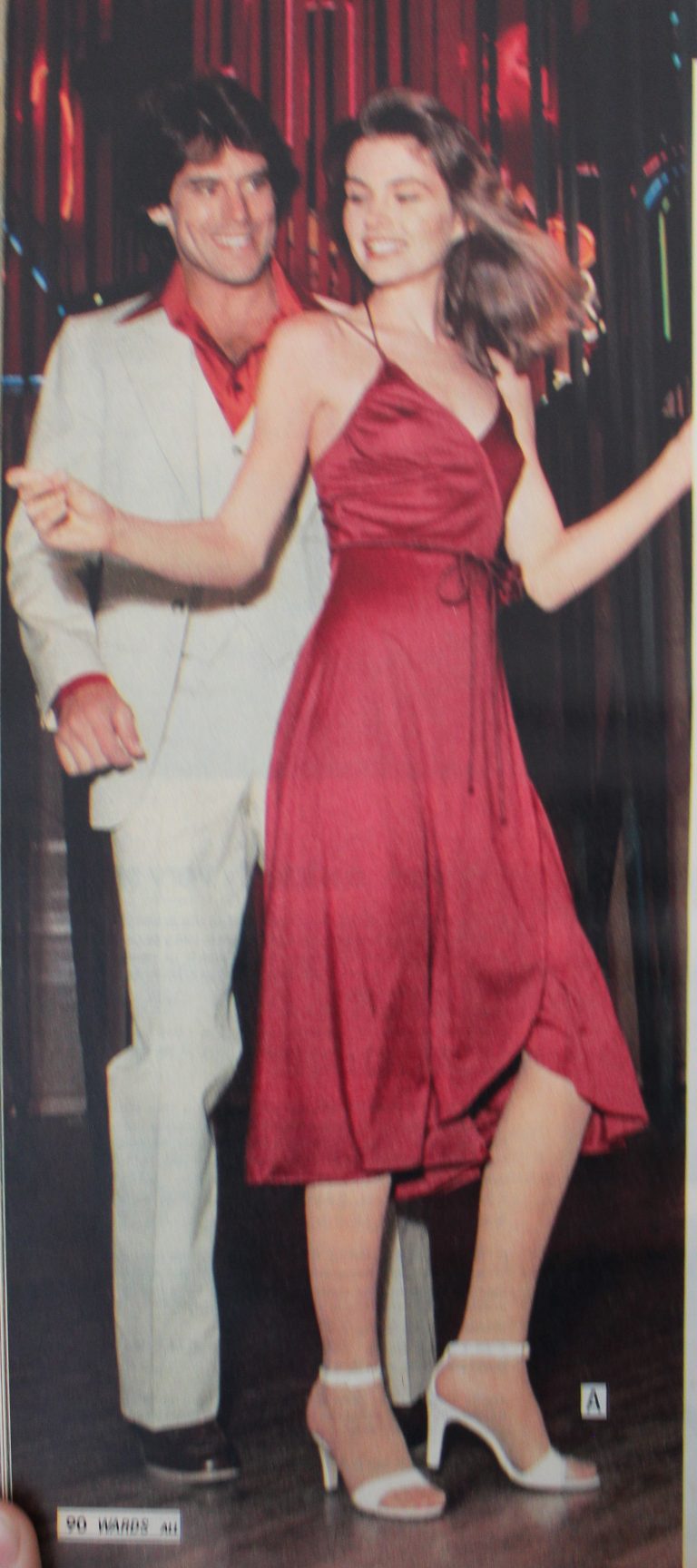
https://vintagedancer.com/1970s/1970s-dress-styles/ This photo from 1979 shows a disco dancing dress. This is a silk wrap disco dress that appeared at the end of the 70s were inspired by ballet clothes. 
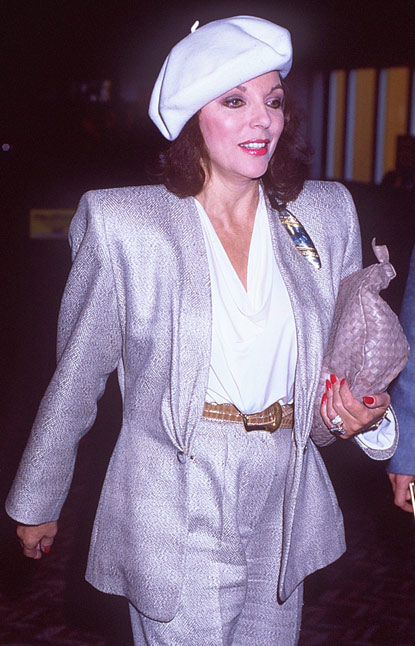
http://www.vashtie.com/style/power-suit-101-80s-trend/ This photo from the 1980s and it depicts the power suit. These suits had large shoulder pads and this type of silhouette represented that women were equal in the corporate spere to men.

JOURNAL #17 – EARLY 20TH CENTURY MORGUE

http://www.thefashionfolks.com/blog/20th-century-fashion-history-1900-1910/ This print depicts dress styles of the Edwardian Time period (1900-1909). The women in this picture both have large S-curves that put their busts forward and hips back. Their skirts are smooth over the hips and then begin to flare out past the knees into tumpet shape with some pleating.
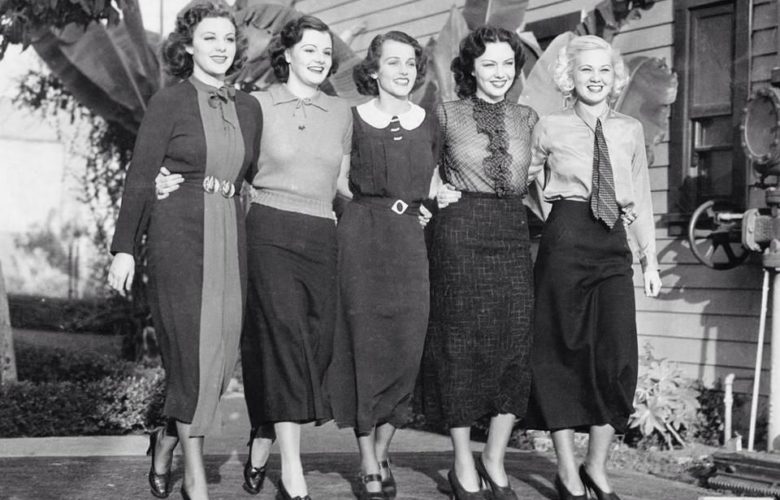
https://www.google.com/url?sa=i&rct=j&q=&esrc=s&source=images&cd=&cad=rja&uact=8&ved=2ahUKEwiy3tvix5LiAhUILK0KHZgoCqkQjhx6BAgBEAM&url=https%3A%2F%2Fcitycountdown.com%2Findex.php%2F2018%2F10%2F08%2Fnight-and-day-1930s-fashion-photographs%2F&psig=AOvVaw1rOPI5Mwta0OBtxK3n_eVK&ust=1557632600840693 This photo depicts the style of dress in the 1930s for women. Higher necklines were common and featured decorative finishes. The hemlines of skirts went down and belt placement rose to emphasize curves more.
https://vintagedancer.com/1930s/1930s-mens-suits-history/  This print is from 1937 and shoes the popular suit that consists of wide padded shoulders and trousers with moderate cuffs. Suit coats were long with deep lapels.

JOURNAL #20 – A PROMPT

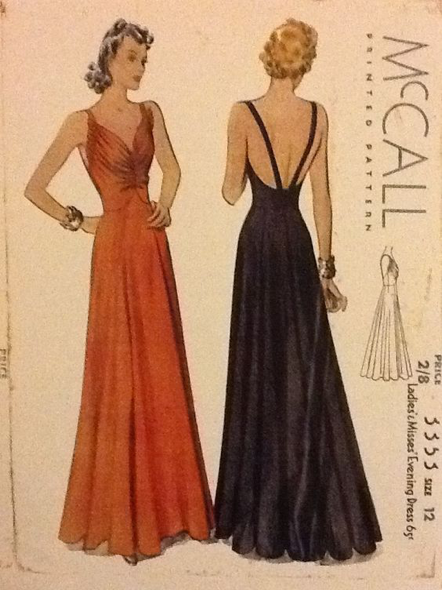
My favorite style of clothing was from the early 20th century. I think that evening gowns in the 30s were so beautiful and elegant, and in modern day I feel as though they are not recreated as much or if they are it does not feel like it has the same elegance as the original style. They were tight up to the hips then flared to floor length and were built with a bias cut. They usually were open back. The open back and the silhouette of the gowns just screamed elegance and old Hollywood vibes which made them my favorite piece of clothing.
JOURNAL #19 – A PROMPT

Throughout the 20th century many different types of style tribes arose and were created. One of these tribes was the preppies this tribe’s ideology was more of superiority over others and that fact that they are untouchable. It was reflected in their clothing through classic cuts like bermuda shorts, polos, stripes, and boat shoes or a loafer type style. Common colors associated with this style are red, blue, green, and white.
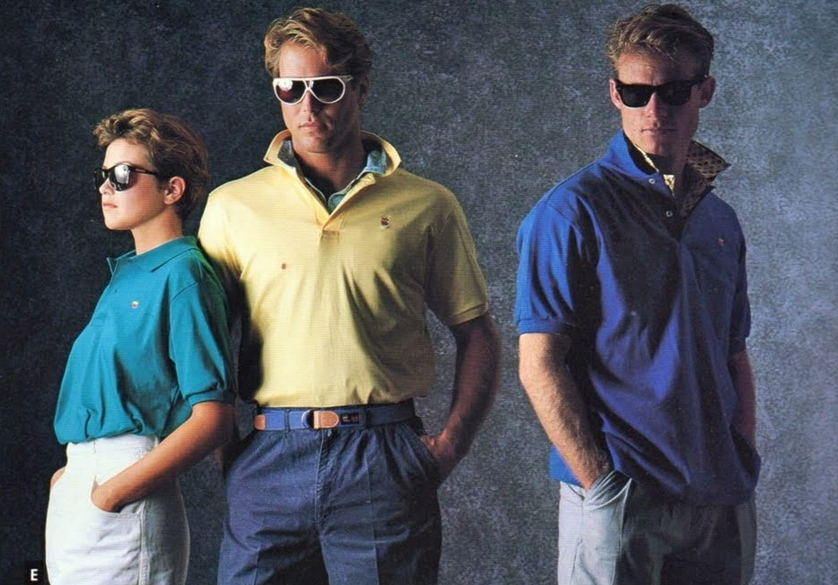
https://www.google.com/url?sa=i&rct=j&q=&esrc=s&source=images&cd=&cad=rja&uact=8&ved=2ahUKEwiZ-8qjv5LiAhVRXK0KHU7oCoEQjhx6BAgBEAM&url=http%3A%2F%2Fthespiritedthrifter.com%2Fpreppy-style%2F&psig=AOvVaw3GfAGY6reVv9MSZj_aPxUS&ust=1557630309645692

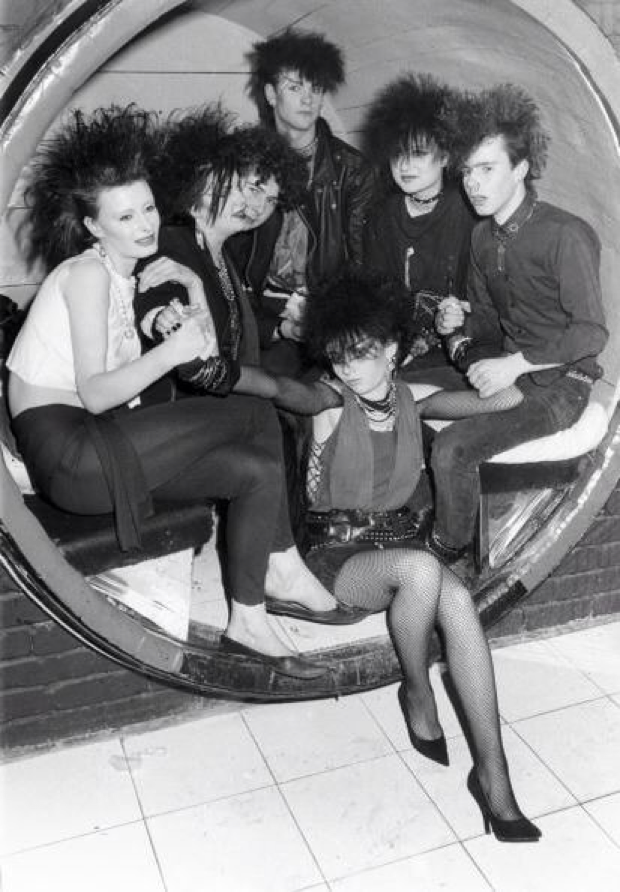
Another style tribe that contrasts with the preppies ideology was the goths their ideology stemmed much on being outcasts and not conforming to societies norms to the cookie cutter clothing style of bright colors. This was reflected by the heavy use of black clothing, ripped/distressed clothing, spikes and chain type jewelry, and teased hair styles.
A current style tribe nowadays would be the student athlete tribe. Their ideology is on the fact that they are part of a team and are an athlete and that reflects by them usually wearing athletic wear or their sports team wear.

https://www.google.com/url?sa=i&rct=j&q=&esrc=s&source=images&cd=&cad=rja&uact=8&ved=2ahUKEwj2oN_ewJLiAhVDs6wKHbMUAD0Qjhx6BAgBEAM&url=http%3A%2F%2Fwww.chinadaily.com.cn%2Fsunday%2F2014-04%2F27%2Fcontent_17468494.htm&psig=AOvVaw0T-LegEV6iQODAU_fTJZeQ&ust=1557630686535631

JOURNAL #16 – A PROMPT

Some of the reasons behind the dress reform movement were feminism, temperance, suffrage, and women’s education. A lot of these ideas promoted the removal of covering the body “adequately” and to not follow fashion principle of the time. These ideas promoted a type of dress that was actually practical to the wearer and allowed them to move and be comfortable. The dress reform movement also tried to educate the public on the health hazards of corsetry and crinoline. Both of these common fashion practices had many health risks especially when done to excessive amounts. The sport movement signaled the end for corsetry and large dresses. Some types of styles like bicycle suits arose that promoted knickerbockers and bloomers. This type of clothing allowed women to ride bicycles and participate in sports.
JOURNAL #15 – 19TH CENTURY MORGUE

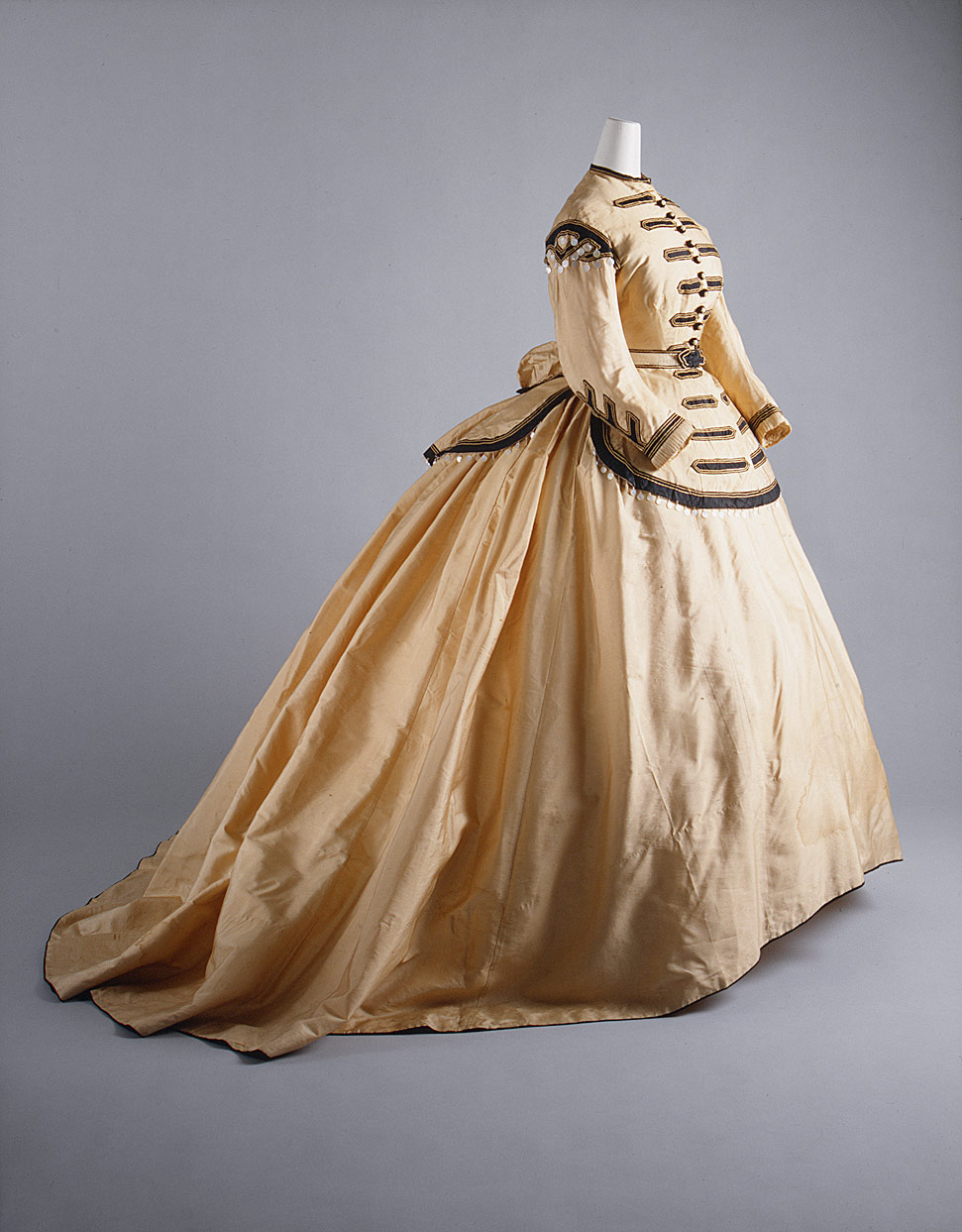
https://237.fashion.blog/2019/05/10/journal-14-a-prompt/ This American silk dress from 1860–65 depicts a common style of dress where the bustle was made from the trimmings and supported with steel hoops that projected backwards from the bodice. Big dresses were common then and waistlines were still at the natural waist. Howevere the bodice curved to form a spoon busk.
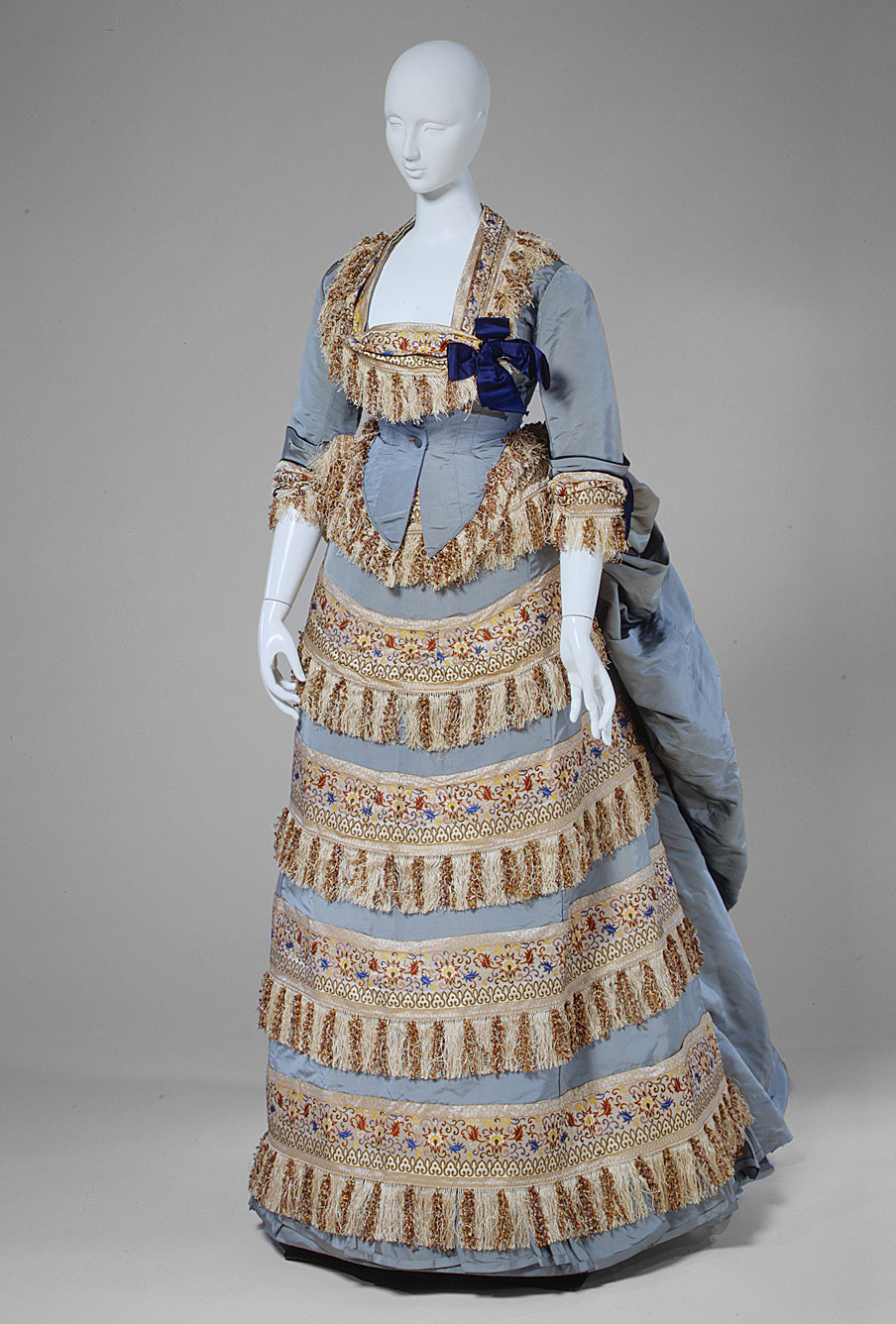
https://www.metmuseum.org/toah/works-of-art/46.25.1a-d/ This French silk dress from 1872 show a good example of a bouffant look. The low cut neckline is a characteristic of a evening dress. The skirts at the time as were characterized by ruffles, flounces, and lace fringe.
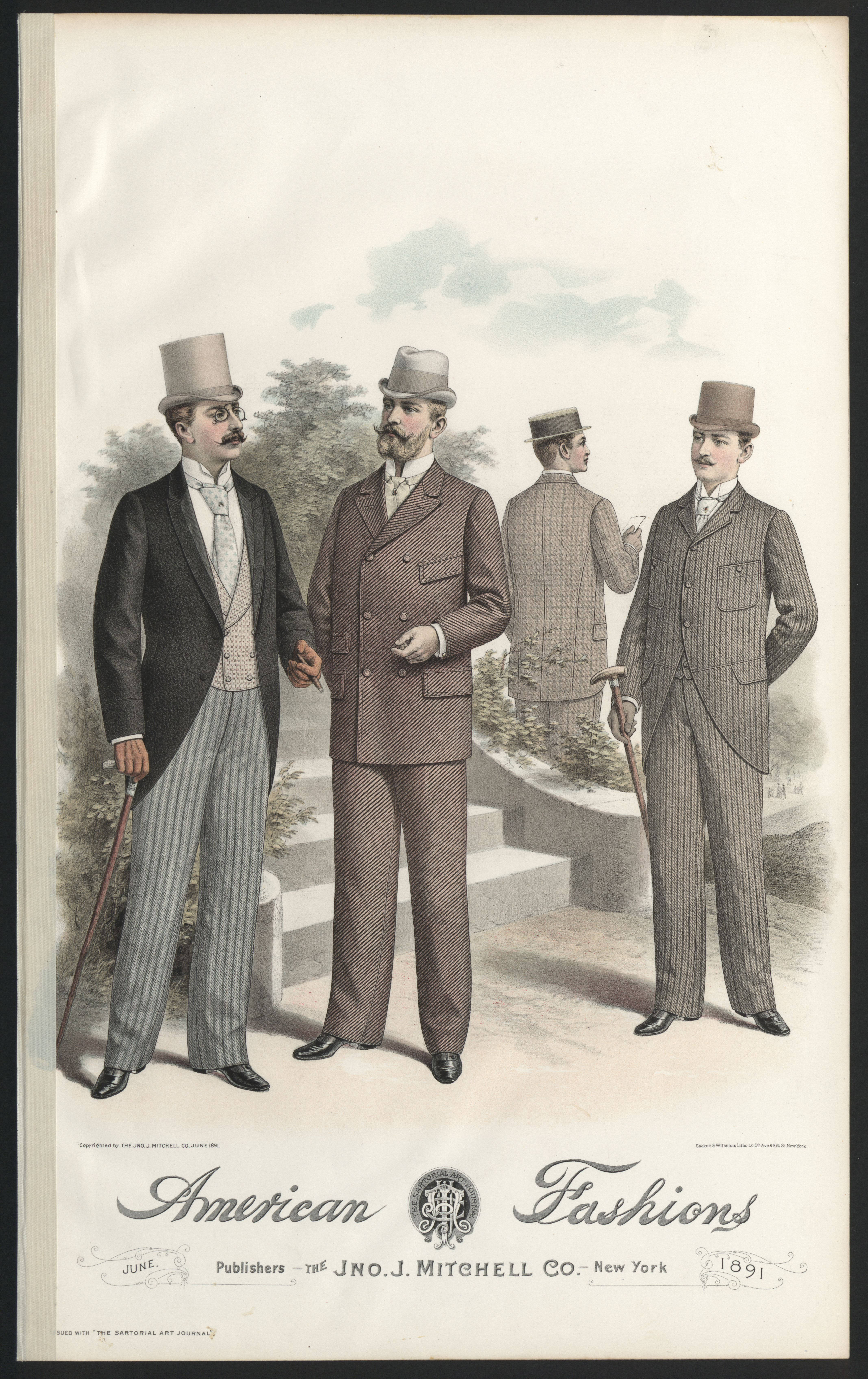
https://fashionhistory.fitnyc.edu/1890-1899/ The print from 1891 shows common styles of men in the late 19th century. The three-piece lounge suit was very popular during the time and it is depicted with collars turned down and with the long knotted tie style instead of with a bowtie. Moustaches were very common at the time.

JOURNAL #14 – A PROMPT

Beau Brummell was considered the king of dandyism. Dandyism was the rejection of the bourgeouis modesty in the ninteenth century. A dandy was a man who conserns himself with his appearance, and he wishes to look like aristocracy eventhough it is usually a man of the middle class. Beau Brummel went against the style at the time and he popularized the suit. The type of suit he popularized was well-fitting and hand-tailored. He rejected breeches and stockings which were common at the time and instead wore full-length formal trousers with either both matching or different jackets. He also embraced the natural hair style of the Romans instead of using wigs.

Currently in the 21st century I would not consider that anyone has the amount of influence on style as Beau Brummel did at the time. Since fast fashion is so common and styles and fads are constantly changing and evolving I would not say that anyone has that type influence as it is more of a random event through social media. I would not say that one person does not have that type of control or charisma to influence everyone to wear something so widespread that it reaches a whole social class.
JOURNAL #13 – 18TH CENTURY MORGUE

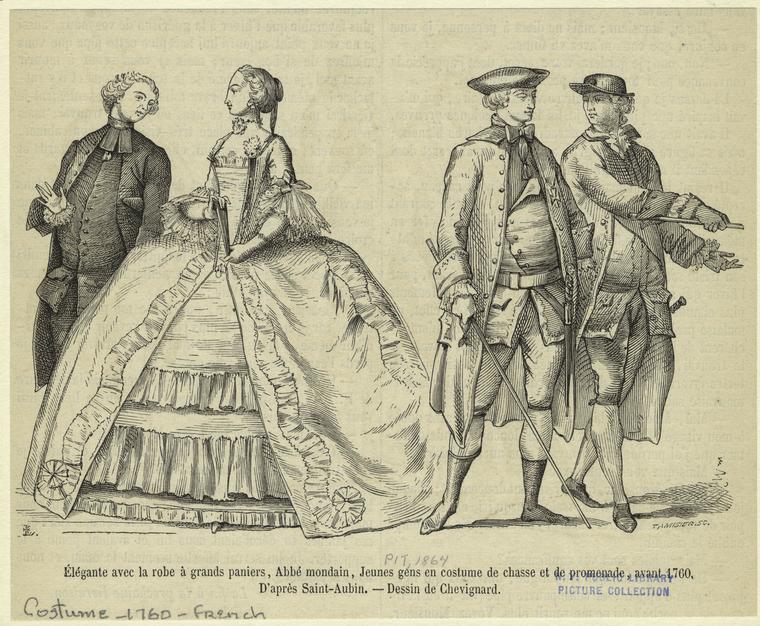
https://digitalcollections.nypl.org/items/510d47e1-3017-a3d9-e040-e00a18064a99
This still print from 1760 depicts a style of dress that was called paniers. This shape was created by a wicker or steel frame hung off both hips. Most were collapsable so women could go through doors and carriages.
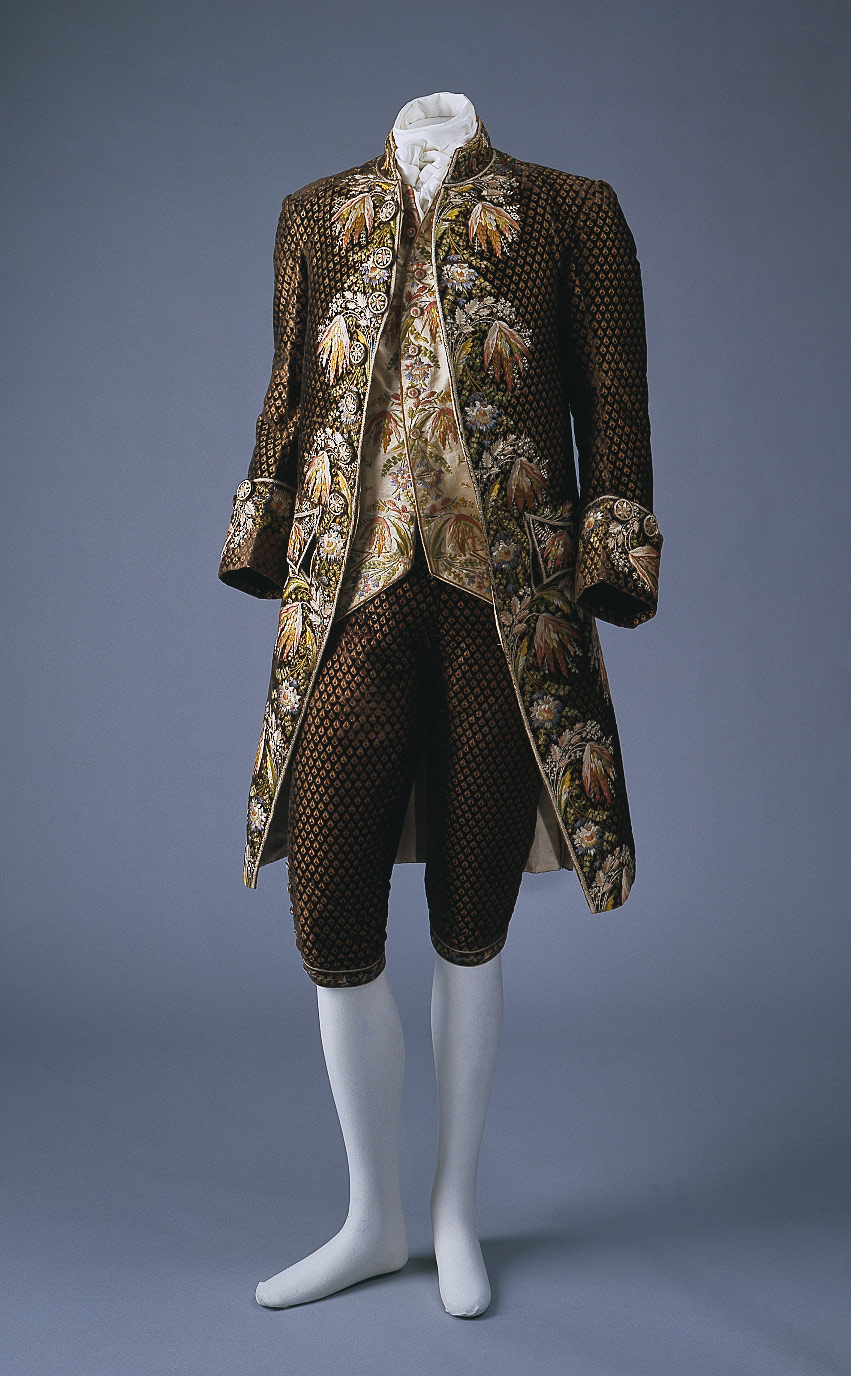
https://www.metmuseum.org/toah/works-of-art/C.I.61.13.2a-c/
This French coat is from 1774–92 and is made from silk. This suitcoat has slim sleeves with small cuffs, and is ornately decorated with flowery embroidery.
https://www.history.org/history/clothing/intro/clothing.cfm
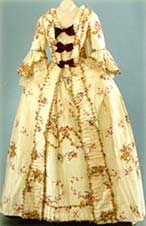
This European dress from the 18th century exibits robing. Robing is when there are folds of fabric along the front edges of a gown with an open bodice as in this dress.

JOURNAL #9 – A PROMPT

Three technological advances that advanced clothing in the Renaissance were the development of humanism, the printing press, and the textile industry all influenced clothing styles or ideas about the human body. The development of humanism clearly influenced the idea of the perfect proportioned human body which led to clothing being made to fit those “perfect proportions” of Vitruvius. The printing press influenced clothing much more subtly than humanism did. With the invention of the printing press many more people became literate now that the written language was in the vernacular and not latin. This invention led people to think more about knowledge and to seek it out which inturn could have subtly influenced clothing styles. When people learn more and become self aware they can focus on other subjects and influence different fields, one of those fields being clothing.

One other invention was the development of the textiles industry. Since the industry became much more advanced, that opened up the door to much more complex styles and fabrics. For example silks and velvets were now being made in Europe. This allowed for the styles to change and included these once rare and sought after fabrics. With the development of the textile industry also introduced the addition of textile guilds. Each guild had different designs to mark who made the fabric. This added more patterns and designs to clothing. I think the technological advance of social media in the 21st century has greatly influenced fast fashion and clothing styles. With new ideas always being introduced it created the idea of fads and quick fashion.
JOURNAL #12 – 17TH CENTURY MORGUE

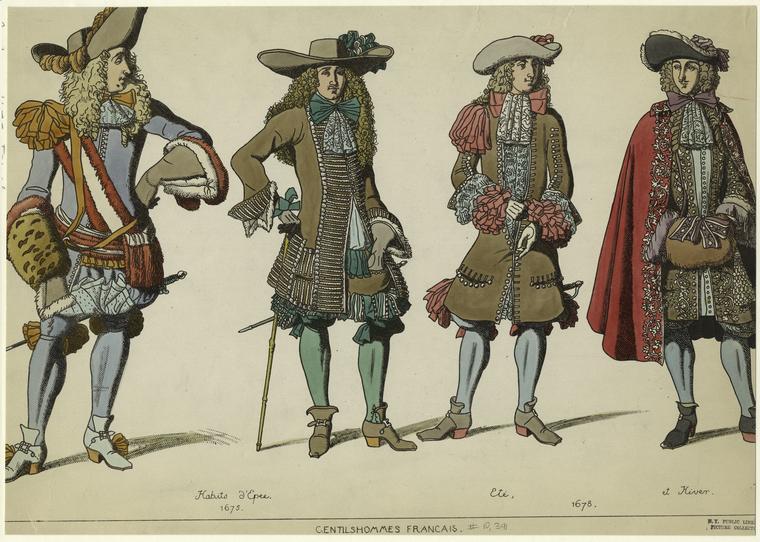
https://digitalcollections.nypl.org/items/510d47e1-2fba-a3d9-e040-e00a18064a99
In this still image titled Gentilshommes Français it depicts the clothing style of French men in 1678. As seen in the image all the men are wearing surtouts that reach just above the knee with long sleeves as was common during the late 1600s.
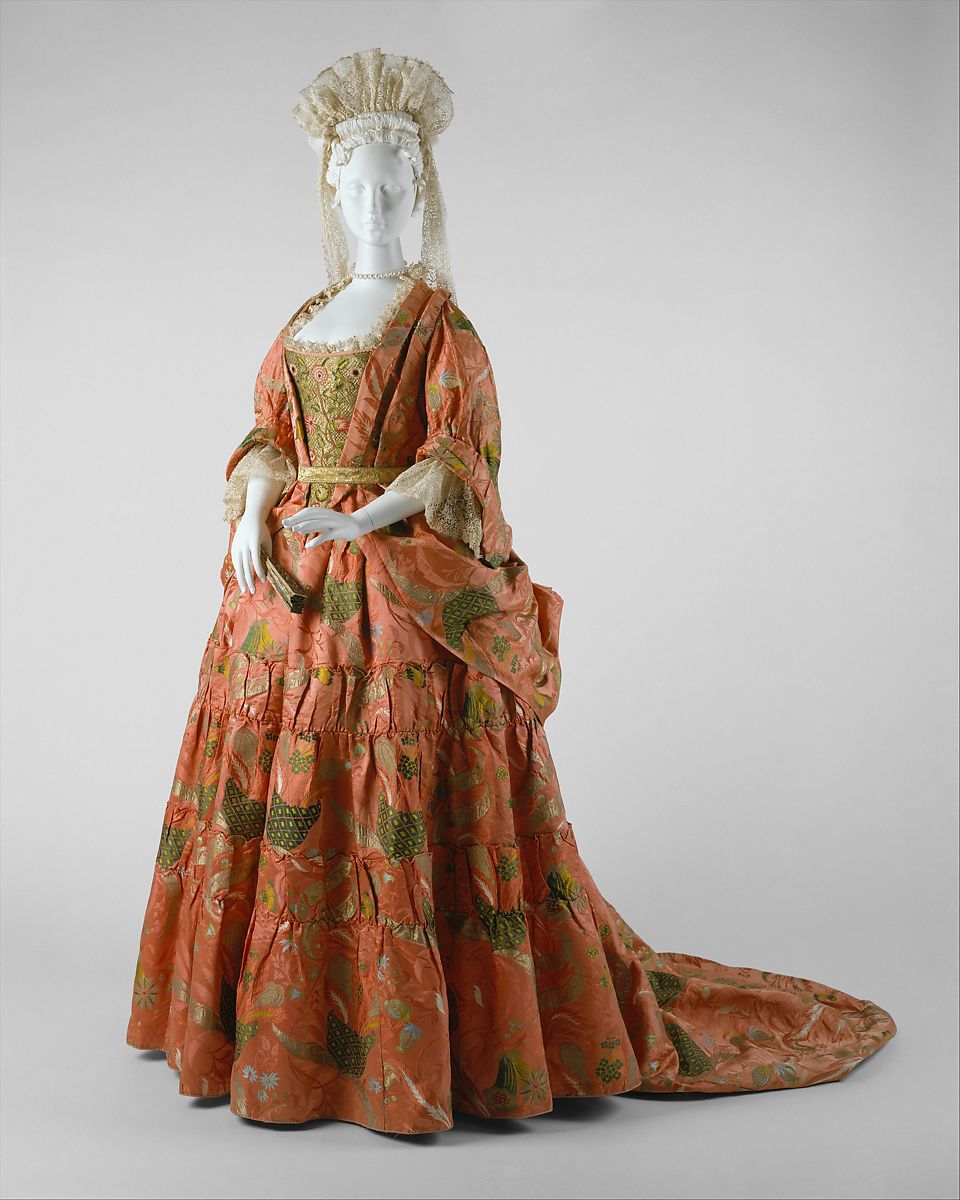
https://www.metmuseum.org/art/collection/search/81809
This is a mantua from 1708 that became popular in the late 17th century because it was less constricting than the previous style of gown. The mantua consists of multiple parts: a loose bodice, a robe de chambre, and a petticoat that is covered by the overskirt.
https://www.metmuseum.org/art/collection/search/79101?&searchField=All&sortBy=Relevance&when=A.D.+1600-1800&ao=on&ft=shoes&offset=0&rpp=80&pos=1
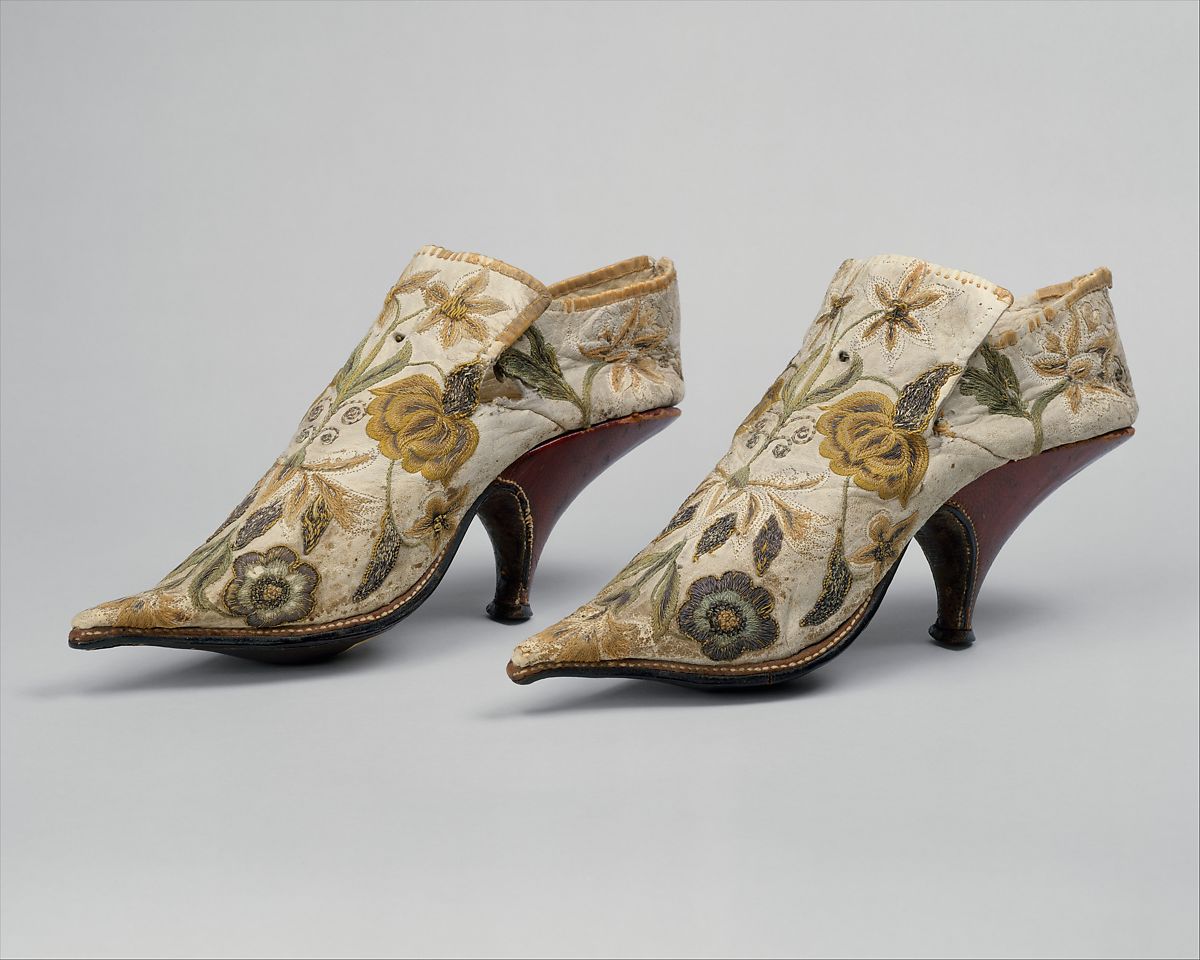
These are a pair of French high heels from about 1690-1700. High heels were invented in the 17th century and worn by men and women. This pair specifically is a pair of heels for women; they are decorated with flowers and stiffened lace.